Investigate the Full Range of Services Delivered by General Contractors in the Building Sector.
Building contractors are essential in the construction industry, delivering a suite of services that cover every stage of a project. Their knowledge extends from initial design and planning to strong project execution and compliance with safety regulations. Hickory top rated Commercial General Contractor. Through the coordination of subcontractors and guaranteeing quality standards, they aim to meet both budgetary constraints and timelines. This detailed strategy prompts inquiries about the effect of their methods on successful projects and client satisfaction
Grasping the Importance of Commercial General Contractors
Even though the construction field covers a variety of roles, general contractors play a key role in managing and controlling construction projects. Their responsibility is to guarantee that projects adhere to design specifications, budgets, and timelines. General contractors organize subcontractors, like carpenters, plumbers, and electricians, to make sure that all aspects of the construction process are executed seamlessly.
In addition, they must obtaining required permits and making certain they comply with local building codes and regulations. This function necessitates a profound knowledge of construction practices, as well as strong leadership and communication abilities. General contractors are the chief liaison for clients, handling issues and sharing status reports throughout the project’s duration. Their skill in overcoming obstacles while upholding quality benchmarks is vital to the successful completion of commercial construction endeavors, which contributes to the efficiency and effectiveness of the industry as a whole.
Managing Projects and Coordination

Coordination and project oversight are essential elements for the successful completion of projects supervised by commercial general contractors. Strong communication methods, methods for resource distribution, and timeline management practices are fundamentally important in guaranteeing projects finish on time and within financial limits - Hickory top rated Commercial General Contractor. By perfecting these components, contractors can improve teamwork among stakeholders and optimize project outcomes
Key Communication Practices
Strong communication techniques play an essential role in the success of construction projects, as they guarantee that all stakeholders are aligned and informed throughout the process. Clear channels of communication foster collaboration among architects, engineers, subcontractors, and clients, guaranteeing all parties know project requirements and timelines. Regular meetings and updates aid in spotting potential problems quickly, enabling quick fixes. Using up-to-date communication platforms, such as project management software and mobile applications, improves the exchange of information and ensures all parties are linked. Furthermore, creating an environment of candid discussion encourages feedback and promotes transparency, which helps achieve superior decisions. Crucially, well-implemented communication plans contribute to smoother project execution and greater contentment among stakeholders in the construction industry.
Resource Allocation Techniques
Methods for assigning resources are crucial for achieving successful project implementation, confirming that supplies, staff, and tools are applied efficiently. Optimized resource assignment means evaluating project specifications and fitting them to the current supply of resources, which helps reduce waste and maximize output. Building contractors utilize several approaches, including focusing on tasks based on necessity and resource supply, to allocate resources effectively. Additionally, employing software tools for tracking resource use can enhance decision-making and adaptability. Consistent reviews of resource assignment aid in spotting possible choke points and opportunities for enhancement, allowing for timely adjustments. Via employing these practices, commercial general contractors can maintain project momentum, regulate spending, and eventually accomplish project aims within the specified parameters.
Strategies for Managing Project Duration
Handling project durations requires precise planning and organization to ensure every stage of the project advances seamlessly. Commercial general contractors utilize various timeline management practices to enhance efficiency and secure timely project completion. These techniques cover drafting elaborate timetables, utilizing project management software, and performing routine advancement evaluations. Via determining unambiguous deadlines and markers, firms can successfully oversee development and address potential delays promptly. Moreover, they define communication procedures among subcontractors, suppliers, and stakeholders to improve the transfer of information and avoid misunderstandings. Preemptive danger assessment strategies further contribute to timeline adherence, making corrections possible for unforeseen difficulties. Crucially, efficient time management is fundamental for meeting project objectives and upholding stakeholder approval in the competitive construction industry.
Design and Pre-Construction Services
Pre-construction and design services are essential components of the construction process, emphasizing effective concept development strategies. These approaches ensure that project visions align with real-world execution, and architectural coordination processes facilitate seamless collaboration among stakeholders. By focusing on these components, commercial general contractors are able to improve project results and efficiency.
Concept Development Strategies
While a project's success is often determined by its initial concept, effective concept development strategies play an essential role in transforming ideas into actionable plans. These strategies involve a systematic approach including thorough research, involving stakeholders, and feasibility assessments. By collaborating with clients and stakeholders, commercial general contractors can pinpoint project objectives and constraints at the beginning of the process. This collaboration fosters innovation while guaranteeing adherence to budgetary and regulatory requirements. Furthermore, visualizations and prototypes can be used to refine concepts, allowing for adjustments prior to major investments. Ultimately, well-executed concept development strategies not only simplify the move from vision to reality but also mitigate potential challenges, setting the stage for a successful construction project.
Architectural Coordination Methods
Effective architectural coordination processes are essential for the successful execution of construction projects. Such processes demand detailed cooperation among architects, engineers, and contractors to make certain that design intentions are accurately translated into tangible structures. Commercial general contractors are key players in streamlining communication and aligning project goals. They oversee the integration of various design elements, handling potential issues early in the planning phase. This forward-thinking strategy minimizes costly rework and delays, promoting a more efficient workflow. Furthermore, strong architectural coordination makes certain of compliance with building codes and local regulations, improving project viability. By streamlining design revisions and improving resource allocation, these efforts help improve the overall efficiency and quality of construction outcomes, providing projects that satisfy client expectations and standards.
Budget Management and Financial Control
Financial control and budgeting are essential elements of successful construction projects, making certain that resources are efficiently allocated and expenditures are kept within established boundaries. General contractors are fundamental in this aspect by meticulously developing budgets that encompass see this the entirety of the project, including materials, labor, and unforeseen contingencies. Their expertise allows for accurate forecasting, which is essential for averting extra expenses and guaranteeing financial viability.
In addition, general contractors maintain strict fiscal oversight throughout the project lifecycle. Spending is tracked against the allocated funds, modifying resource distribution when needed to accommodate changes in project scope or unforeseen costs. This active oversight ensures the project remains financially sound but also fosters transparent communication with stakeholders about the budget's standing. By employing detailed reports and regular updates, general contractors make certain all stakeholders are aware, thus building confidence and partnership throughout the construction process.
Compliance with Quality and Safety Regulations
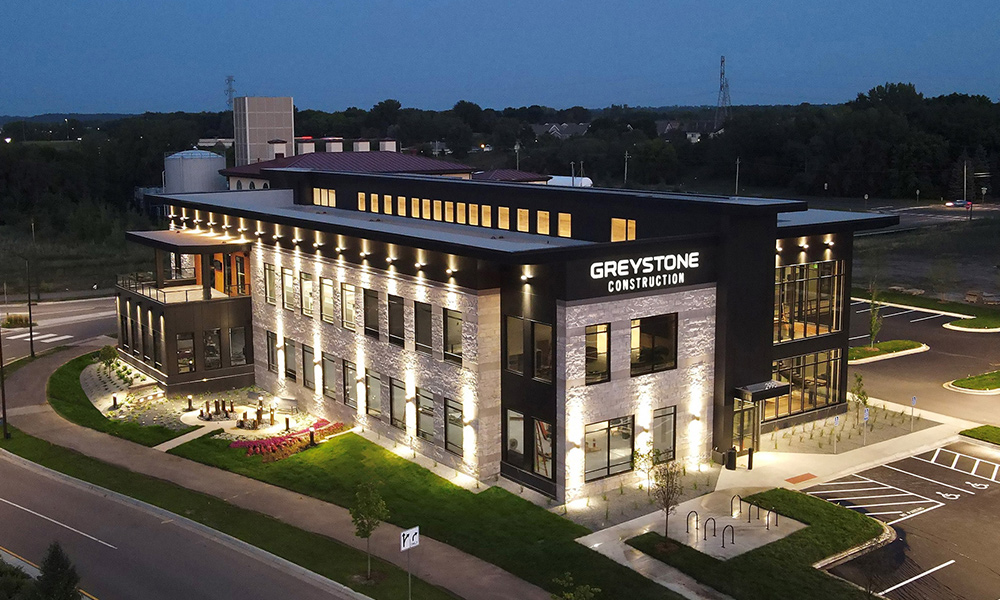
Quality control and safety compliance are paramount in the construction industry, ensuring that projects meet established standards while safeguarding the welfare and safety of all workers involved. These construction managers enforce thorough quality checks by carrying out frequent site reviews, verifying supplies, and ensuring standards are met. This approach aids in detecting issues promptly, cutting down on costly fixes and setbacks.
Following safety guidelines is also crucial; contractors comply with OSHA standards and standard industry procedures to maintain a protected workplace. This involves offering adequate instruction, PPE, and ensuring open dialogue regarding safety protocols.
Post-Construction Services and Support
After the building phase concludes, commercial general contractors deliver crucial support after completion to make certain the facility performs as expected. This support typically involves detailed checks to verify compliance with specifications and local regulations. Contractors may also engage in warranty management, resolving problems that occur after the project handover.
In addition, contractors supply upkeep assistance, helping clients with the upkeep of the building to prolong its lifespan and guarantee performance. Instructional classes for personnel regarding systems and machinery may also be included to boost day-to-day effectiveness.
In addition, they commonly aid in project closeout documentation, guaranteeing all pertinent records are structured and available for future reference. This sustained help creates an enduring partnership between contractors and clients, fostering trust and satisfaction while encouraging responsibility in the construction process. Overall, after-build services are instrumental in the project's lasting triumph.
Frequently Asked Questions
What Types of Projects Do Commercial General Contractors Commonly Undertake?
CGTs commonly oversee a variety of projects, such as office towers, shopping centers, industrial complexes, medical facilities, schools and universities, and residential complexes, ensuring that each project meets professional criteria and client specifications efficiently.
What is the Process for Selecting the Right Commercial General Contractor for My Project?
In order to select the best construction manager, one should evaluate their background, verify recommendations, evaluate their fiscal health, review past projects, and guarantee clear communication about schedules and costs for successful job execution.
What Difficulties Encountered in Building Work?
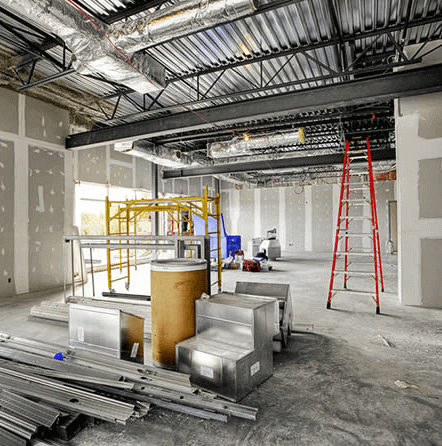
Frequent obstacles faced during construction projects involve exceeding the budget, timeline setbacks, lack of skilled workers, regulatory compliance, surprising subsurface problems, and poor coordination between involved parties. These challenges frequently hinder project execution and may result in higher expenses and timelines.
How Do Firms Maintain Conformity To Area Safety Standards?
Builders ensure adherence to regional construction regulations by meticulously examining the statutes, conducting regular inspections, working closely with municipal bodies, and keeping meticulous records from start to finish to mitigate risks and meet safety requirements.
What Assurances or Promises Do Contractors Usually Provide Once the Job is Finished?
Builders usually offer guarantees covering labor and supplies, with durations ranging from 1 to 10 years. Warranties usually entail fixing flaws, providing customers with quality assurance and peace of mind following handover.